
30 Days Unplugged: A Personal Field Report on Stepping Away from the Noise
I didn’t set out to make a statement.
I didn’t announce it publicly.
I didn’t even fully know what I was hoping to gain.
I simply decided to step away.
What followed over the next 30 days of this personal digital detox wasn’t dramatic or extreme — but it was quietly transformative. What surprised me most wasn’t just how often I reached for my phone, but how much mental space returned when I stopped.
This is not a manifesto against technology. It’s a personal case study — part lived experience, part observation — of what happens when we remove constant digital stimulation and allow our attention to recalibrate.
Week One: Withdrawal, Awareness, and the Reflexive Reach
The first week of any digital detox is uncomfortable in a subtle way.
It wasn’t anxiety so much as restlessness. A constant sense that I was forgetting something — paired with the physical sensation of reaching for my phone without thinking.
At Friendsgiving, I caught myself doing it over and over. Mid-conversation. Mid-moment. My hand would reach automatically, almost before I realized what I was doing. That reflex has a name: automaticity. Research suggests we check our phones roughly 150 times a day, most of those checks driven by habit rather than intention.
That realization set the tone for the week.
Even in spaces meant for reflection — like church — I felt a pull toward productivity. Toward doing something. When I wasn’t scrolling, I was searching for a replacement. I started a puzzle. I still felt the “itch.”
A few days in, I slipped without meaning to. I found myself on Facebook, not out of desire but out of muscle memory. I noticed it quickly, closed the app, and returned to the puzzle I was working on with my husband. That moment mattered — not because I was perfect, but because I was aware.
In the first 72 hours of a digital detox, the brain looks for dopamine to regulate stress. These slips are common. They’re not failures — they’re data.
As the week continued, something shifted. Focus improved. The puzzle became grounding instead of distracting. I bought books to fill the empty space. I tried crochet — unsuccessfully — but even the attempt brought a sense of calm.
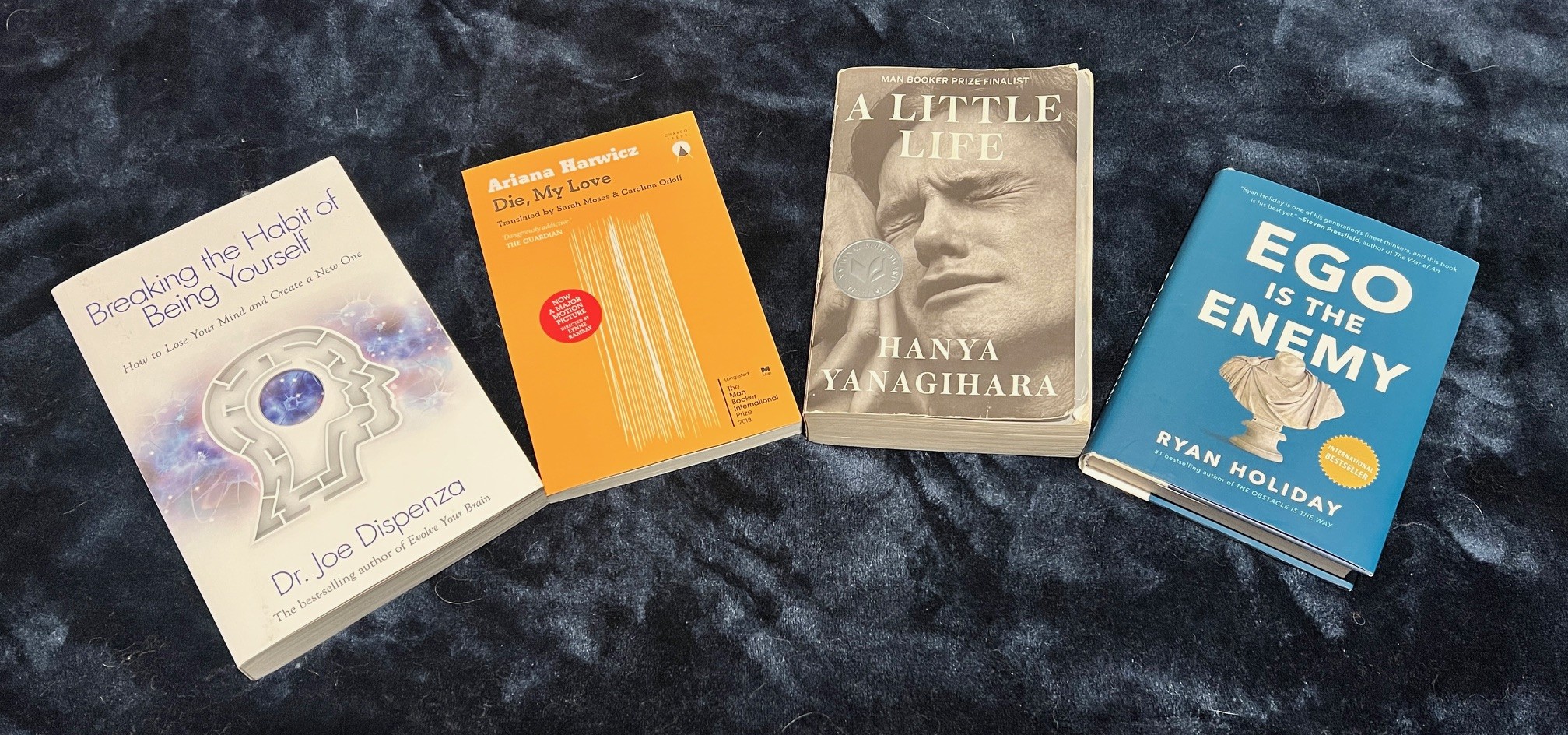
By the end of the first week, the urge to constantly check notifications had softened. Cortisol levels tend to stabilize around this point when information overload decreases, and for the first time, my nervous system felt like it could exhale.
Week Two: Reaching for People Instead of Platforms
In the second week of the digital detox, something unexpected happened.
I wanted people.
Not content. Not updates. Not background noise. Actual human connection.
I found myself reaching out more — making plans, initiating conversations, lingering longer in shared spaces. This aligns with what researchers call the Social Compensation Hypothesis: when digital interaction is removed, our biological drive for oxytocin pushes us toward real-world connection.
There was a noticeable steadiness during this week. Peaceful days that didn’t need documenting. Moments that didn’t feel “special,” but still felt full.
Over Thanksgiving, I got sick and spent several days resting. Notifications piled up in the background, but for the first time, they didn’t feel urgent. I didn’t feel the need to clear them immediately. The compulsion to “stay on top of things” had loosened its grip.
That alone felt like progress.
Week Three: The Quiet Middle (and Why I Stopped Tracking)
Days 14 through 17 went unrecorded — and that absence is part of the story.
I didn’t forget. I just stopped feeling the need to track every shift in my attention. Life felt engaging enough on its own. Recovering from my cold, moving through daily routines, being present — it all felt sufficient without commentary.
This period of the digital detox is often described as the Boredom Pivot, but boredom never fully arrived. Instead, there was a low-arousal contentment. A sense that I could sit longer without restlessness. That my attention span had stretched.
Neuroscience offers an explanation here. After about two weeks of reduced stimulation, dopamine receptors become more sensitive — a process sometimes called dopamine upregulation. Everyday experiences begin to feel interesting again. The need to capture or share them fades.
Around Day 19, I noticed something else had changed:
Fear of Missing Out had quietly been replaced by the Joy of Missing Out.
I wasn’t performing for an audience anymore. And I didn’t miss it.
Week Four: Cognitive Clarity and a New Normal
By the fourth week, this digital detox way of living felt… normal.
At a concert, I actually forgot how Instagram worked. I had to ask for help to post a story. That moment made me laugh — but it also revealed something deeper. Neural pathways weaken when they aren’t used. This is known as synaptic pruning. The brain adapts to what we repeatedly practice — and un-practices what we don’t.
There was also a day when I felt exhausted. Not creatively blocked. Not emotionally overwhelmed. Just tired.
Normally, that’s when scrolling fills the gap. Instead, I chose to simply be tired.
That choice mattered more than it sounds. Allowing boredom or fatigue without stimulation prevents cognitive hyperarousal, giving the brain space to recover rather than stay perpetually activated.
The Final Stretch: What the Research Says About a Digital Detox
By the final week, the internal changes were noticeable enough that I started connecting them to external data.
Studies published in 2025 through JAMA Network Open suggest that several weeks into a digital detox, anxiety symptoms drop by over 16%, with measurable improvements in sleep and emotional regulation.
I felt that shift physically — lighter, less reactive.
Sleep came easily. Without blue light or comparison-driven scrolling at night, melatonin production likely had room to reset. Research shows insomnia symptoms improve by roughly 14.5% during this phase.
Emotionally, I felt steadier. Less prone to comparison traps. Research in Frontiers in Psychology notes that by this point, social comparison centers in the brain return closer to baseline, increasing overall life satisfaction.
It didn’t feel like a breakthrough moment. It felt like quiet alignment.
What Changed Most (and Why It Matters)
The biggest changes from this digital detox weren’t about not using an app. They were about reclaiming cognitive and emotional independence.
Three lessons stood out.
Boredom Isn’t a Problem — It’s an Incubator
Without an escape hatch, creativity surfaced naturally. Puzzles, books, tactile hobbies — all emerged without forcing productivity. When dopamine isn’t constantly drip-fed, the brain’s Default Mode Network activates, supporting reflection and problem-solving.
Presence Is a Skill — Not a Feeling
Being present required unlearning documentation. Experiences didn’t need to be captured to be meaningful. Reducing digital noise lowers cognitive load, allowing real-world interactions to register more fully.
Intentionality Replaced Algorithmic Consumption
Instead of accepting information passively, I began seeking it deliberately. Reclaiming time also meant reclaiming opinions — moving from extrinsic validation to intrinsic satisfaction, a key marker of long-term mental resilience.
A Final Reflection
If we’re waiting for the “right time” to start a digital detox, it often begins smaller than we think.
It starts with noticing the reflexive reach — that split second where our hand moves before our mind does.
That moment is the habit.
And once that habit loosens, something else becomes clear: the world is quieter, wider, and more grounded than it appears on a six-inch screen.
Not because technology disappeared — but because attention finally came home.
Ready to try your own digital detox? I put everything I learned across these 30 days into a free guide you can start using today. Download Unplugged and Grounded — it’s free.